Rivalries and History – Factors That Influence Ice Hockey Odds


Rivalries and History – Factors That Influence Ice Hockey Odds
When analysing ice hockey odds, it’s easy to focus on statistics, form, and injuries. But behind the numbers lies something more subtle – rivalry and history. The emotional and cultural layers that shape the sport’s biggest clashes can have a significant impact on both player performance and bookmaker assessments. In this article, we’ll explore how rivalries and historical context influence odds – and how Irish bettors can use that knowledge to their advantage.
Rivalries – more than just a game
Ice hockey is a sport built on speed, intensity, and physicality. When two teams with a long-standing rivalry meet, the game becomes more than just three periods and a puck. It’s about pride, tradition, and the passion of the fans.
Classic examples include the fierce NHL matchups between the Montreal Canadiens and the Toronto Maple Leafs, or the “Battle of Alberta” between the Calgary Flames and Edmonton Oilers. Even if one team is struggling, the emotional charge of these encounters can lift their performance. The same dynamic can be seen in European leagues, where local derbies often bring out the best – and sometimes the worst – in players.
For bookmakers, this means that odds don’t just reflect objective strength. Rivalry games tend to be more unpredictable, and that unpredictability can create value for bettors who understand the emotional forces at play.
The weight of history
The historical record between two teams can be a strong indicator of how a game might unfold. Some teams simply have the upper hand against certain opponents – not necessarily because they’re better overall, but because their style of play consistently causes problems for the other side.
Bookmakers do consider head-to-head results, but they can’t always capture the psychological patterns that develop over time. A team that has repeatedly lost to a particular opponent may enter the game with lower confidence, while the other side feels emboldened. This can influence everything from tempo to risk-taking on the ice.
For bettors, it’s worth digging deeper into the history – not just wins and losses, but the nature of those games. Were they tight contests, physical battles, or one-sided affairs? Understanding these nuances gives a more complete picture than the league table alone.
Læs også:




Home advantage and the crowd factor
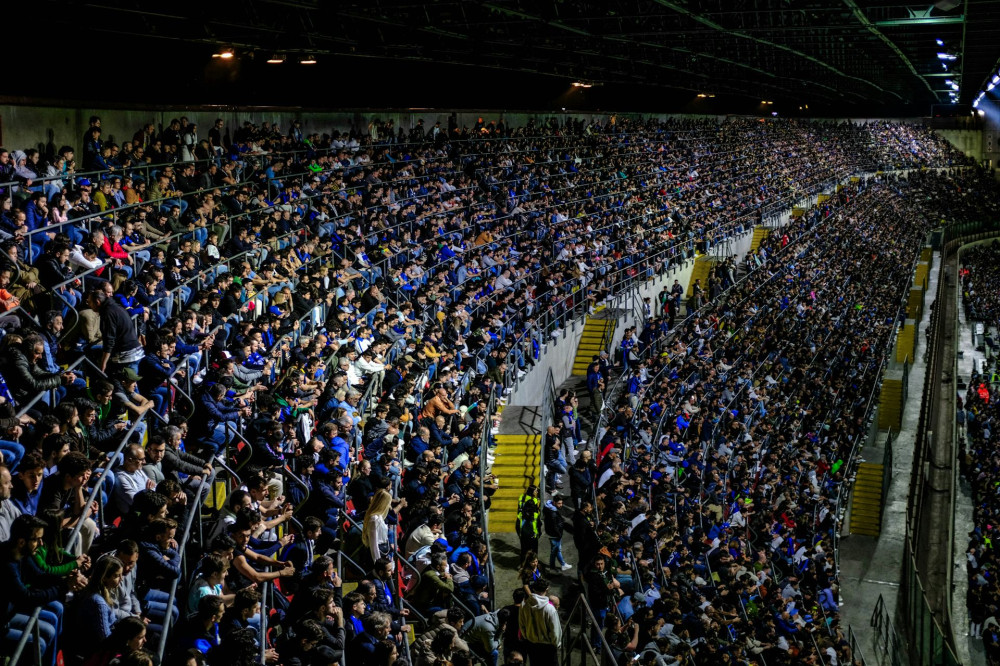
Home advantage is particularly strong in ice hockey. The atmosphere in the arena, the roar of the crowd, and familiarity with the rink’s quirks can all give the home team a psychological edge. In rivalry games, this effect is amplified – the fans become an extra player on the ice.
Bookmakers naturally factor home advantage into their odds, but in games with deep-rooted history, the effect can be greater than usual. A packed arena for a traditional rivalry can completely change the dynamic, especially if the visiting team isn’t used to that level of intensity.
When emotion meets form
One of the biggest challenges in evaluating ice hockey odds is balancing emotion and data. Statistics tell one story, but rivalry and history tell another. A team in poor form can suddenly deliver a top performance because the game means more than just points.
That’s why it’s important to combine data analysis with an understanding of the sport’s culture. Read local coverage, follow fan sentiment on social media, and pay attention to how coaches and players talk about the matchup. These insights can give you an edge over purely statistical models.
How to use rivalry and history in your analysis
If you want to incorporate rivalry and history into your betting strategy, consider the following:
- Study the context: Is it a classic rivalry, a playoff series, or a game with special significance?
- Review past meetings: How have the teams performed against each other in recent seasons, and under what circumstances?
- Assess emotional motivation: Does one team have something to prove after a heavy defeat or a controversial game?
- Watch discipline levels: Rivalry games often lead to more penalties, which can affect goal totals and over/under markets.
By combining these factors with traditional analysis of form, injuries, and statistics, you’ll gain a more complete understanding of the game’s dynamics.
A sport where history never fades
Ice hockey is a sport where the past is always present. Rivalries, old defeats, and proud traditions live on in both players and fans. For those who can read these undercurrents, there’s valuable insight to be found – not just for the thrill of the game, but also when assessing odds.
Understanding rivalry and history ultimately means understanding the soul of the sport. And that’s where the difference lies between betting on numbers – and betting with insight.
Læs også: