Regular Season or Playoffs? How the Format Shapes Ice Hockey Betting


Regular Season or Playoffs? How the Format Shapes Ice Hockey Betting
When betting on ice hockey, it’s not just about team form or star players – the context of the game matters just as much. A regular-season clash has a very different rhythm and motivation level compared to a playoff battle, and that difference can significantly influence your betting strategy. In this article, we’ll explore how the format affects gameplay, team psychology, and the statistical patterns that smart bettors in Ireland should keep in mind.
The Regular Season – Long Campaigns and Shifting Motivation
The regular season in leagues like the NHL stretches across months and dozens of games. Teams must balance short-term results with long-term goals, such as staying healthy and peaking at the right time. For bettors, understanding these dynamics is key.
- Rotation and injuries: Coaches often experiment with line combinations and give younger players ice time during the regular season. This can lead to unpredictable results, especially when stronger teams face weaker opponents.
- Travel fatigue: North American teams endure long road trips and multiple time zones, which can affect performance. Bettors who track travel schedules can sometimes spot value where bookmakers overlook fatigue factors.
- Form trends: A team’s short-term slump doesn’t always tell the full story. Underlying stats like shot attempts, puck possession, and expected goals can reveal whether a team is underperforming or simply unlucky.
In the regular season, it pays to look beyond the standings. Teams that lose close games but dominate play may be undervalued in the odds – a potential opportunity for sharp bettors.
The Playoffs – Intensity, Tactics, and Fine Margins
Once the playoffs begin, everything changes. Every shift matters, and the intensity skyrockets. The style of play tightens, scoring drops, and the mental side of the game becomes crucial.
- Fewer goals: Playoff hockey is typically lower-scoring. Teams play more conservatively, and goaltenders often raise their game. Over/under bets should reflect this shift in tempo and defensive focus.
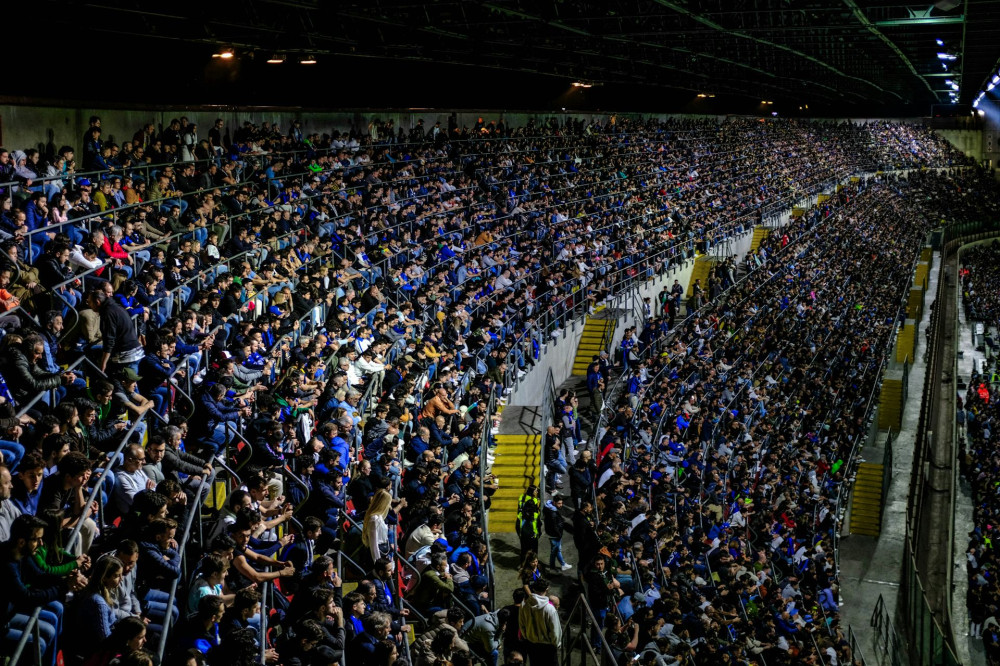
- Home-ice advantage: The crowd’s energy and familiarity with the rink can make a bigger difference in high-pressure games. Historically, home teams win a higher percentage of playoff games than regular-season ones.
- Experience counts: Teams with playoff pedigree tend to handle pressure better. Veteran players know how to manage momentum swings and close out tight games – a factor worth considering in series betting.
In the playoffs, small details decide outcomes – a power play, a defensive lapse, or a single mistake. Bettors can find value in niche markets like penalty minutes, first goal scorer, or goalie saves, where tactical insight pays off.
The Psychology of the Format
The difference between regular season and playoffs isn’t just structural – it’s psychological. The regular season allows for experimentation and recovery from mistakes, while the playoffs are about survival and risk management. This shift affects both player decisions and game flow.
For bettors, understanding this mental transition is vital. A team that thrives on open, attacking hockey might struggle when opponents tighten up defensively in the postseason. Conversely, a disciplined, defensively solid team could outperform expectations when the stakes rise.
Statistics and Trends – What the Numbers Reveal
Looking at data from major leagues, several consistent patterns emerge:
- Goals per game typically drop by 10–20% in the playoffs.
- Power-play efficiency often improves, as teams make the most of fewer opportunities.
- Overtime games become more frequent, making bets on draws in regulation more appealing.
Combining these trends with up-to-date form and injury reports can help you build a more accurate picture of how a game might unfold.
Adapting Your Betting Strategy
To make the most of your ice hockey bets, tailor your approach to the stage of the season:
- During the regular season: Look for value where bookmakers overrate favourites. Use advanced metrics like Corsi and expected goals to identify teams performing better than their results suggest.
- During the playoffs: Focus on context – series score, home advantage, and player health. Consider lower-scoring outcomes and specialised markets that reward tactical understanding.
- Watch for momentum: A team that wins a tight overtime game can gain a psychological edge. This can influence the next matchup and create opportunities in live betting.
Læs også:




Conclusion – Understand the Format, Bet Smarter
Successful ice hockey betting isn’t just about knowing the players – it’s about understanding the rhythm of the season. The regular season rewards patience and data-driven analysis, while the playoffs demand insight into psychology and tactics. By adjusting your strategy to the format, you can find better value, make more informed decisions, and enjoy a deeper appreciation of the game’s unique dynamics.
Læs også: