When Global Betting Companies Adapt to Local Markets


When Global Betting Companies Adapt to Local Markets
Online betting has become a truly global industry, with millions of users and countless platforms competing for attention. Yet, while the technology and games may be universal, the way companies present themselves is anything but. To win trust and market share, international operators must understand and adapt to local cultures, regulations, and habits. It’s not just about translation – it’s about creating an experience that feels familiar and trustworthy to local users.
Local regulations shape the strategy
Betting is one of the most tightly regulated industries in the world, and the rules differ widely from country to country. In Ireland, the Betting (Amendment) Act and the forthcoming Gambling Regulation Bill set the framework for licensing, advertising, and responsible gambling. The new Gambling Regulatory Authority of Ireland (GRAI) is expected to bring even stricter oversight in the coming years.
For global companies, this means that one-size-fits-all strategies rarely work. Many establish local subsidiaries to handle licensing, customer service, and marketing in line with national requirements. This approach offers flexibility but also demands a deep understanding of local legal and cultural contexts.
Language and culture – more than translation
When a betting company enters a new market, language is the first thing to adapt. But a simple translation of a website or app is rarely enough. Tone, humour, and communication style vary greatly between countries. What feels engaging in the UK might come across as too brash or impersonal in Ireland.
That’s why many firms invest in local editors and marketing specialists who understand the culture from within. They can tailor campaigns, slogans, and customer interactions to strike the right tone. In Ireland, for example, a conversational and community-oriented approach often resonates better than flashy or overly corporate messaging.
Læs også:




Payment methods and technology must feel familiar
Another key aspect of localisation is payment. In some markets, credit cards dominate, while in others, e-wallets or mobile payment apps are preferred. Irish users increasingly expect secure, fast, and familiar options such as debit cards, PayPal, or Revolut. If a platform doesn’t offer the payment methods people trust, it risks losing customers quickly.
Technology also plays a role in building trust. Irish users value simplicity, speed, and transparency. A clutter-free interface, clear odds display, and easy access to support can make a big difference. Global companies that adapt their design and user experience to local expectations often see higher engagement and retention.
Responsible gambling as a competitive advantage
As public awareness of gambling-related harm grows, responsible gambling has become a central issue. In Ireland, initiatives such as self-exclusion tools, deposit limits, and clear information about risks are increasingly expected by both regulators and players.
Companies that take these responsibilities seriously often gain credibility and loyalty. Many global operators now go beyond what the law requires, offering advanced tools for monitoring play and promoting healthy habits. In a market where reputation matters, being seen as a responsible operator can be a powerful differentiator.
Local partnerships and sponsorships
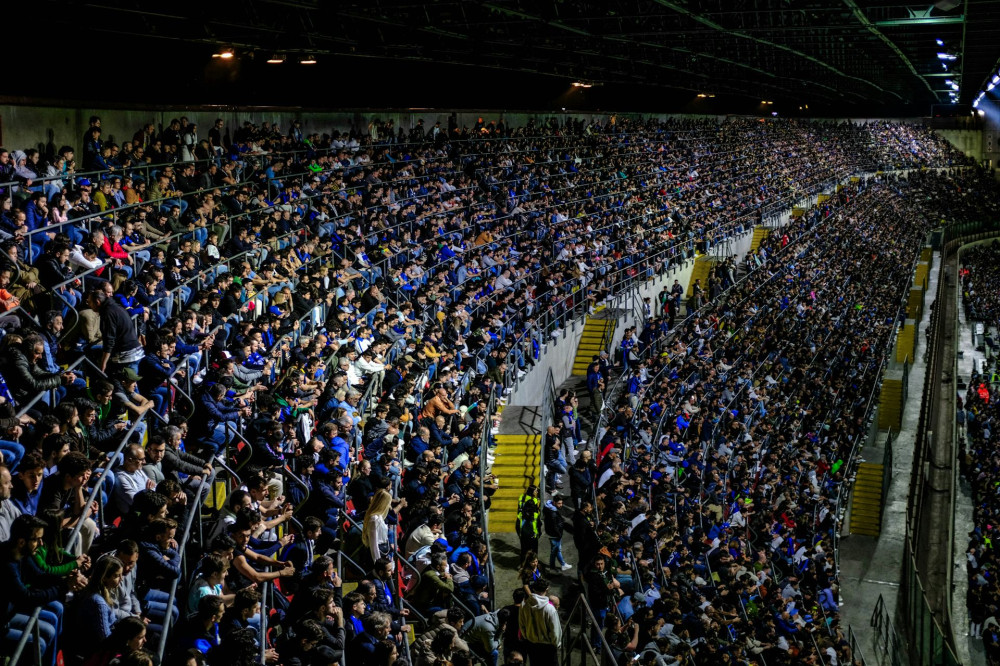
Building local presence isn’t just about compliance – it’s also about connection. Many betting companies form partnerships with national sports leagues, clubs, or well-known athletes. These collaborations provide visibility and signal commitment to the local sports community.
In Ireland, sponsorships in horse racing, Gaelic games, and football have long been a way for international brands to establish a genuine local footprint. When done thoughtfully, such partnerships can strengthen brand identity and foster trust among Irish fans and bettors alike.
The future: global technology, local experience
The future of online betting will likely remain global in structure but increasingly local in expression. Artificial intelligence and data analytics make it possible to personalise user experiences, but cultural understanding will remain essential.
Irish consumers, like those elsewhere, expect platforms to speak their language – both literally and culturally. The companies that succeed will be those that combine global technology with local insight, offering not just a place to bet, but a platform that feels like it belongs.
Læs også: