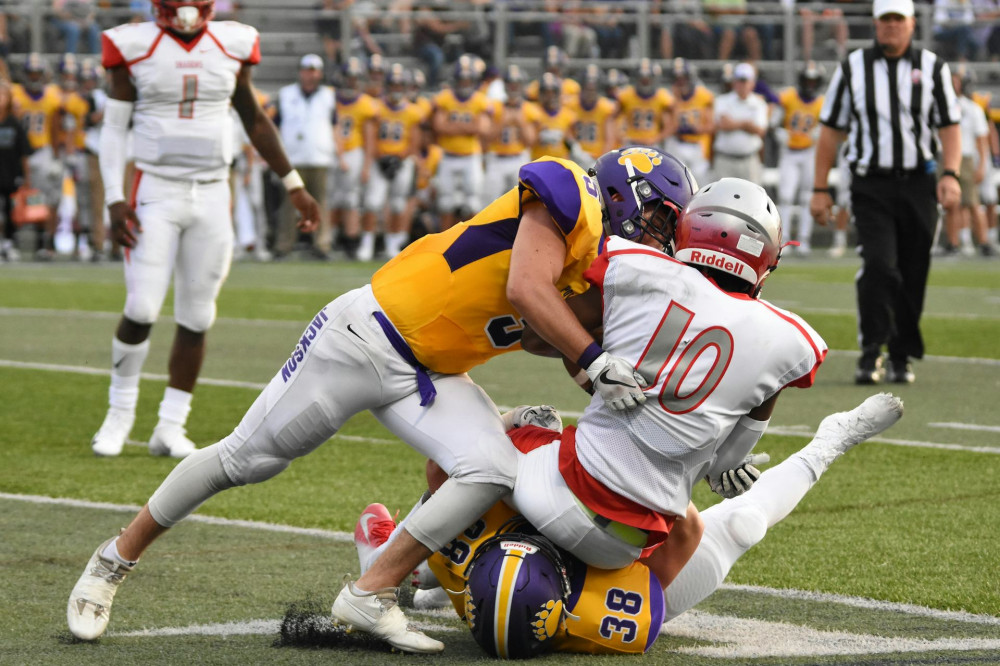
Use the Past Wisely: Learn from Previous Seasons’ Prop Bet Trends

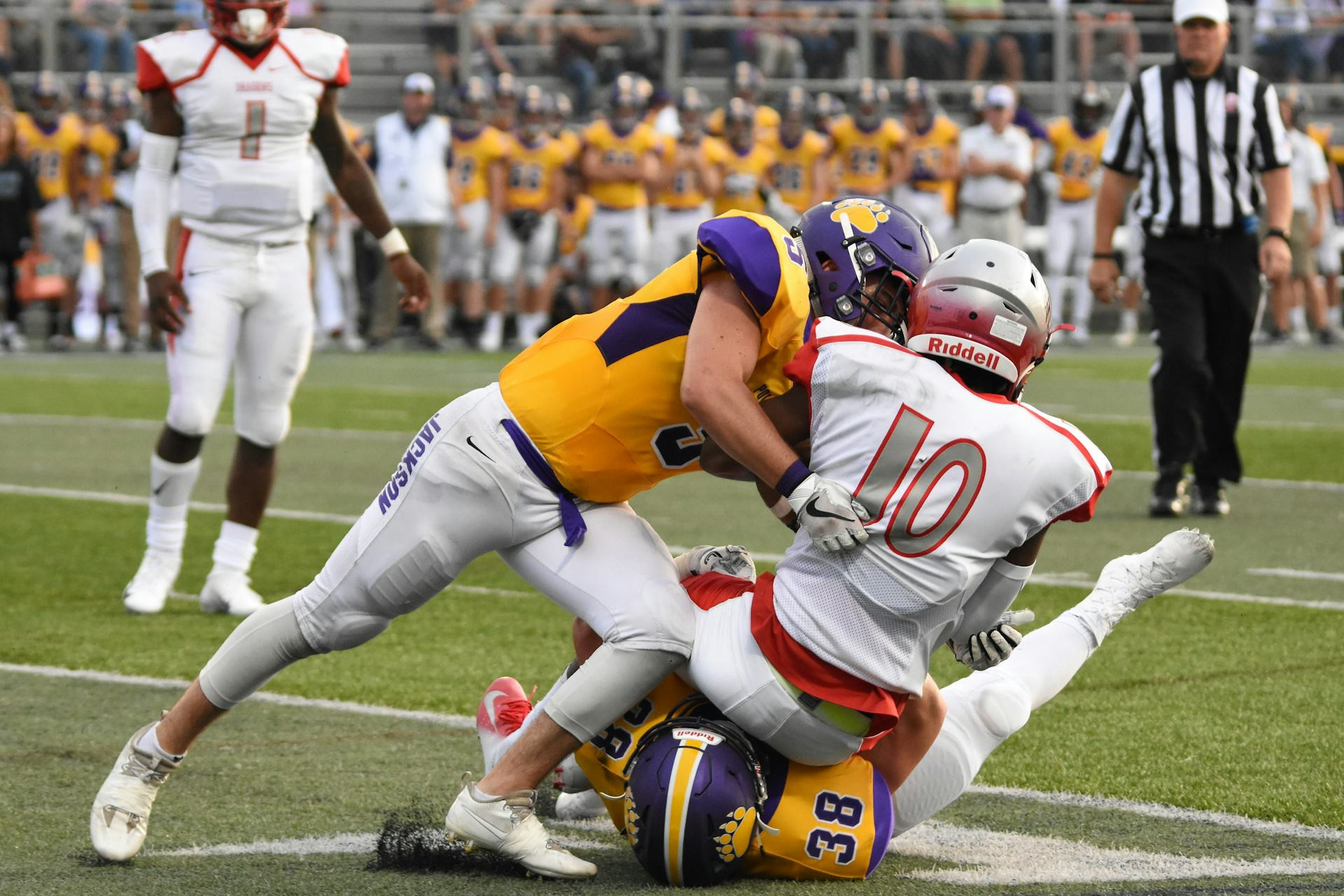
Use the Past Wisely: Learn from Previous Seasons’ Prop Bet Trends
As a new American football season approaches, fans and bettors across Ireland are gearing up for another round of prop bets – those creative wagers that go beyond the final score. From predicting how many passing yards a quarterback will throw to guessing who scores the first touchdown, prop bets add excitement to every play. But while many focus on what’s ahead, the smartest bettors know that the past holds valuable lessons. By studying trends from previous seasons, you can uncover where the real value lies – and avoid the traps that catch the unwary.
What Are Prop Bets – and Why Do They Matter?
Prop bets, short for proposition bets, differ from traditional wagers on who wins or loses. Instead, they focus on specific events within a game: how many receptions a wide receiver will make, whether a kicker will miss a field goal, or if a team will score on a defensive play.
They’re popular because they make even one-sided games engaging. But their unpredictability is also what makes them tricky. That’s where historical data comes in. By analysing past seasons, you can identify patterns that help you make more informed decisions.
Look Beyond the Averages
A common mistake is to rely solely on season averages. A player who averages 80 receiving yards per game might have achieved that through a mix of huge and quiet performances – 150 yards against weak defences, 30 against strong ones. By digging into when and against whom those numbers came, you can spot trends that the odds may not fully reflect.
Consider external factors too. Weather, travel, and game timing all matter. Some quarterbacks struggle in cold, windy conditions – something Irish bettors will appreciate when late-season games in Buffalo or Chicago roll around. Others thrive indoors or under the bright lights of prime-time matchups. These nuances can make all the difference in finding value.
Study Team Tendencies, Not Just Player Stats
Prop bets aren’t only about individual performance. Team strategy and coaching philosophy play a huge role. A team that consistently runs the ball in the red zone is less likely to produce high passing touchdown totals, no matter how talented the quarterback.
By reviewing past seasons, you can identify patterns such as:
- How often a team uses play action.
- Which receivers are targeted most on third downs.
- Whether a team tends to start fast or build momentum later in games.
These tendencies rarely change overnight unless there’s a major coaching shift or a key player departure.
Watch How the Market Reacts
Bookmakers adjust quickly when a player catches the public’s eye. If a running back posts two big games in a row, his yardage line will likely rise the following week. But history shows that such “recency bias” often leads to inflated expectations.
By comparing how odds and lines moved in previous seasons, you can see how the market tends to overreact – and where opportunities arise to go against the grain. It takes patience and discipline, but that’s what separates sharp bettors from casual ones.
Læs også:

Use Data – But Understand the Game
Numbers are powerful, but they don’t tell the whole story. A receiver’s low yardage might reflect double coverage, not poor form. A running back’s quiet game might result from his team falling behind early and abandoning the run.
When analysing past seasons, combine statistics with context: game flow, injuries, and tactical adjustments. This holistic approach gives you a truer sense of what to expect in the future.
History Repeats – But Never Exactly
No two seasons are identical, yet patterns often re-emerge in familiar ways. Teams with strong offensive lines tend to keep producing solid rushing numbers. Coaches known for aggressive play-calling usually continue to take risks on fourth down. Recognising these recurring traits helps you anticipate how they’ll influence prop bets in the coming season.
Using the past wisely isn’t about predicting every outcome – it’s about understanding probabilities better than the average bettor. That’s the difference between betting for fun and betting with insight.
Læs også: