New types of bets make cycling markets more complex

New types of bets make cycling markets more complex
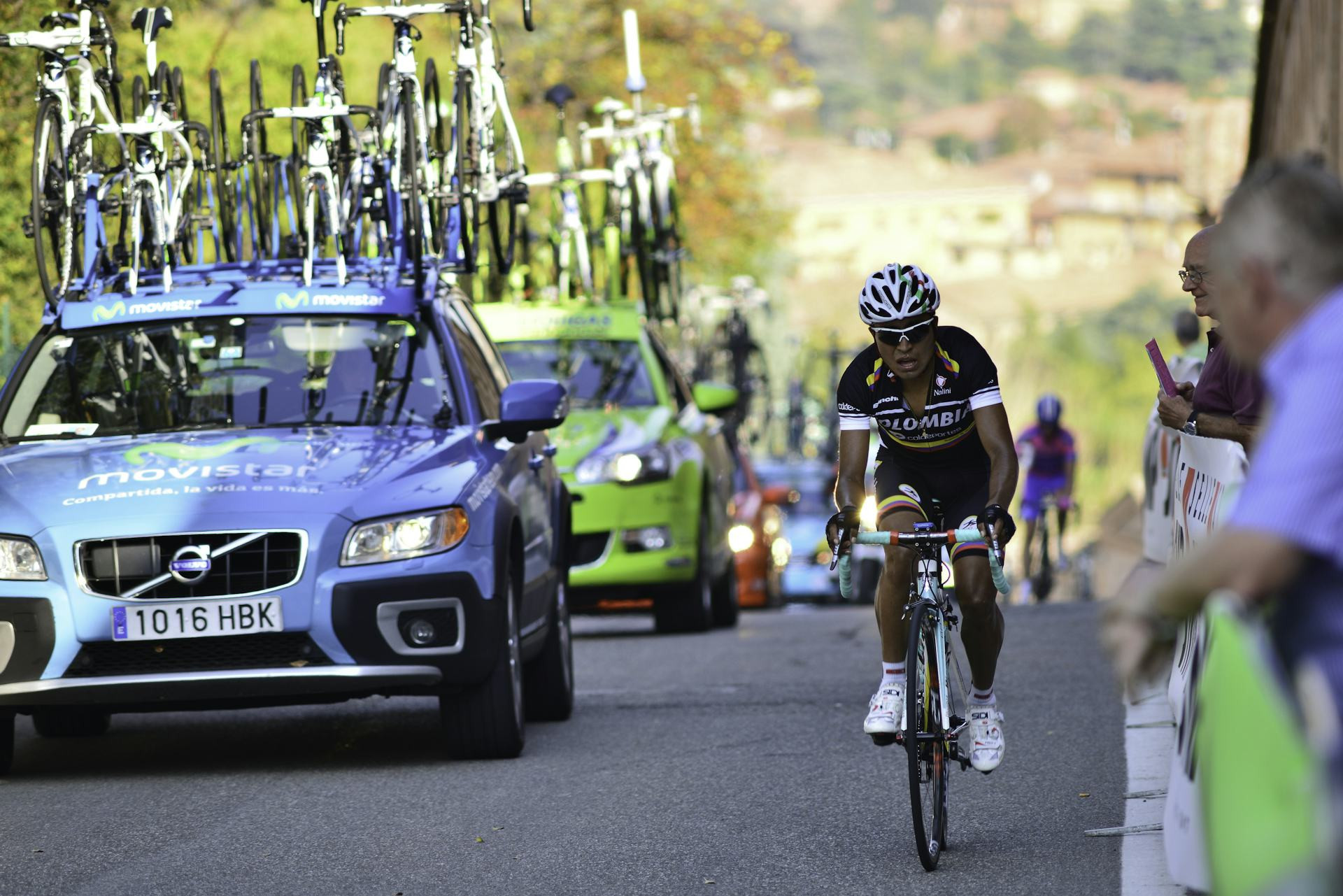
Cycling has changed dramatically in recent years – not only on the roads but also in the betting markets. Where punters once focused mainly on who would win a stage or a race, a wide range of new betting options has emerged, making the market both more exciting and more complex. For bettors and bookmakers alike, this means new opportunities – but also new challenges.
From simple winner bets to advanced scenarios
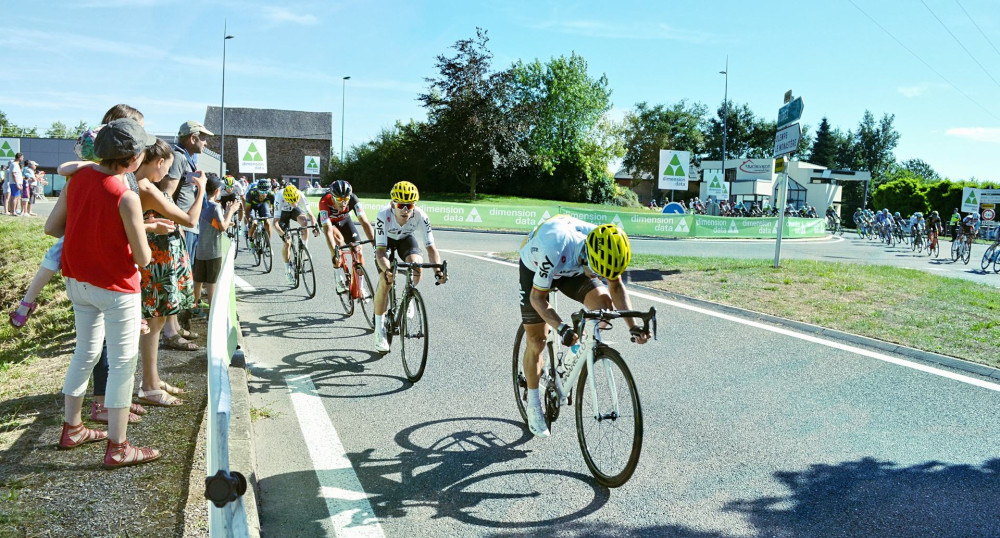
Traditionally, cycling bets were straightforward: you could back the overall winner of the Tour de France, a stage winner, or perhaps the best rider in a specific classification. Today, the picture is far more intricate. Bookmakers now offer bets on head-to-head duels between riders, top-10 finishes, first mountain crossings, or even which team will collect the most stage victories.
This evolution is driven by both technology and demand. Data on riders’ performances, power outputs, and team strategies have become more accessible, allowing for more precise and varied markets. For experienced bettors, this opens up new strategic possibilities – but it also requires a deeper understanding of the sport.
Live betting changes the dynamics
One of the biggest shifts has been the introduction of live betting on cycling races. In the past, bets closed once a stage began, but now punters can wager mid-race – for example, on who will win the next sprint or whether a breakaway will stay clear to the finish.
That creates major challenges for both sides of the market. Cycling is unpredictable: a crash, a puncture, or a sudden change in weather can alter everything in seconds. For bookmakers, it means constantly adjusting odds in real time; for bettors, it demands quick reactions and a sharp eye for how the race is unfolding.
Data and algorithms at the core
Behind these new betting types lies a vast amount of data. Bookmakers use advanced algorithms that analyse riders’ historical performances, terrain profiles, weather conditions, and team tactics. This makes it possible to calculate probabilities for even the most specific events.
Yet even with sophisticated models, cycling remains difficult to predict. A rider can have an off day, a team can change its plan, or unexpected cooperation in the peloton can shift the outcome. That’s why intuition and experience still play a role – something many seasoned bettors see as part of the sport’s appeal.
The risk of imbalance and insider information
With new betting types also comes a greater risk of market distortion. When wagers can be placed on small details – such as who wins a single mountain sprint – the market becomes more vulnerable to insider knowledge. A mechanic, team director, or rider with insight into a team’s daily plan could, in theory, have an advantage.
To counter this, both betting operators and sporting bodies are strengthening their monitoring of suspicious activity and promoting transparency. The UCI and national gambling regulators, including the Irish authorities, are increasingly cooperating to protect the integrity of the sport.
Bettors as analysts rather than just fans
For many cycling fans, betting has become a way to engage more deeply with the sport. They follow riders’ form, study stage profiles, and debate tactics on social media. This has created a new layer of community around cycling – but also a culture where knowledge and analysis matter more than luck.
At the same time, the growing complexity can make it difficult for newcomers to find their footing. Understanding how odds move and what factors influence them takes time. Experts therefore recommend starting with simple bets and gradually exploring the more advanced markets.
Læs også:


A market in constant motion
Cycling betting today is far more than guessing who will stand on the podium. It’s a complex ecosystem where data, strategy, and intuition meet. For some, it’s an intellectual challenge; for others, a new way to experience the sport.
One thing is certain: with the rise of new betting types, cycling markets are becoming more dynamic and unpredictable. And that’s precisely what makes them so fascinating – for fans, bettors, and analysts alike.
Læs også: