Live Boxing Odds: What Makes Them Change?

Live Boxing Odds: What Makes Them Change?
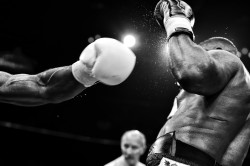
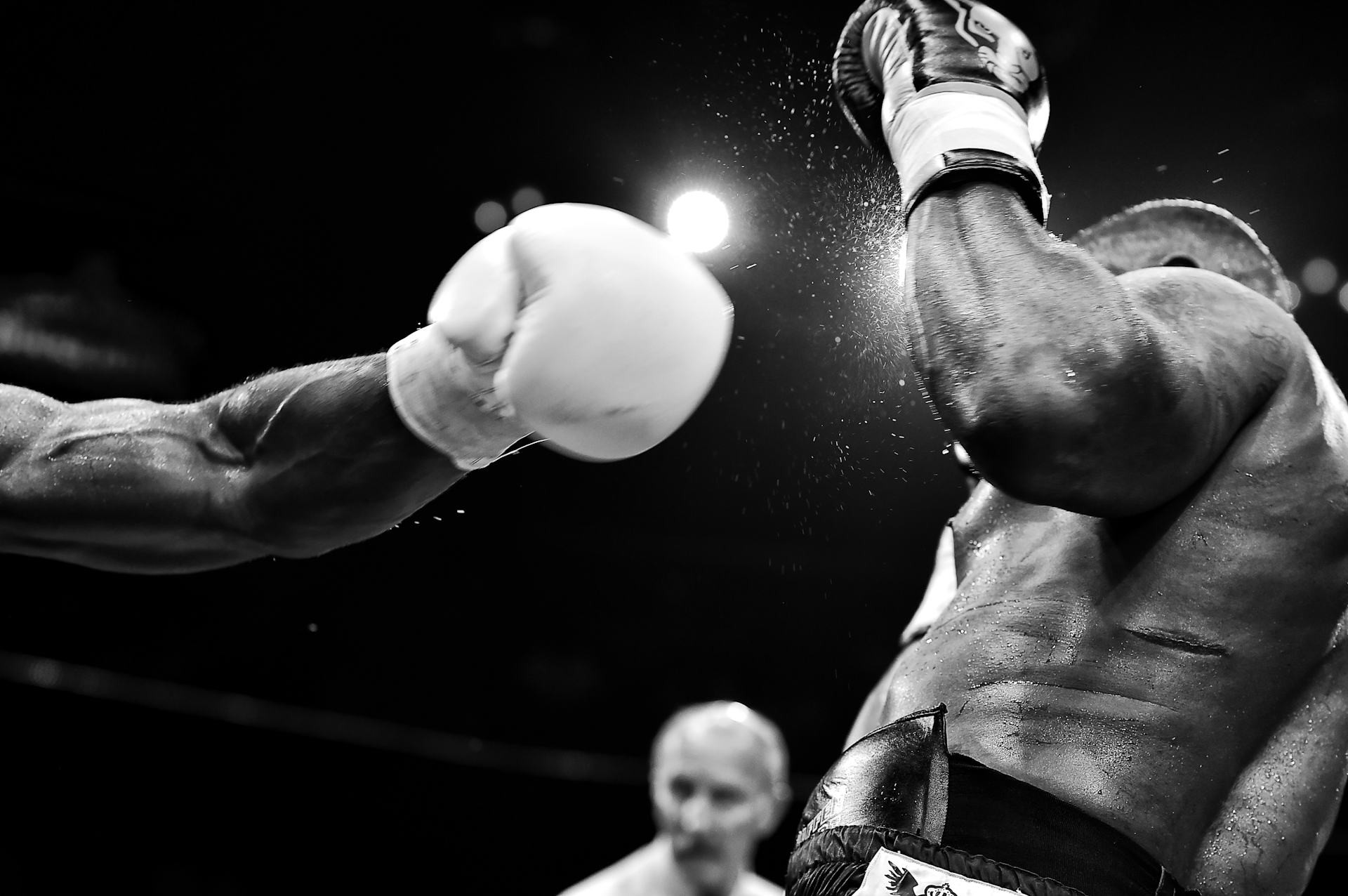
When two fighters step into the ring, it’s not just punches that are exchanged — the numbers behind the scenes are moving too. Live boxing odds shift from moment to moment, reflecting every jab, counter, and change in momentum. But what exactly causes these odds to move so quickly, and how can Irish bettors make sense of the dynamics behind them?
What Are Live Boxing Odds?
Live odds — also known as in-play betting — allow you to place wagers while the fight is happening. Instead of betting on the outcome before the first bell, you can react to what unfolds in real time. It’s a more immersive experience, but also one that demands quick thinking and a good understanding of the sport.
In boxing, live odds can swing dramatically within seconds. A single clean punch, a dominant round, or a surprise knockdown can completely alter the picture. Bookmakers’ systems continuously update probabilities so that the odds reflect the current state of the fight.
The Rhythm and Momentum of the Fight
One of the biggest factors behind changing live odds is the rhythm of the bout. When a boxer takes control, lands clean shots, and pushes the opponent back, his odds to win usually shorten. If he starts to tire or loses control, the odds move the other way.
Momentum is crucial in boxing. Even if a fighter is ahead on points, a strong comeback from the opponent can shift both public perception and the bookmaker’s assessment. Live odds don’t just mirror the scorecards — they capture the sense of who’s in command at any given moment.
Data, Algorithms, and Human Insight
Behind the rapid updates are complex algorithms that process a wide range of data: punches thrown and landed, accuracy, movement, and even historical performance in similar situations.
Bookmakers combine this data with human judgment. For major fights, analysts monitor the action closely and can manually adjust odds if something unexpected happens — a cut, a referee warning, or a sudden change in tactics.
Læs også:


Psychology and Crowd Reactions
Boxing is as much a mental battle as a physical one. When a fighter shows signs of doubt or fatigue, it can influence both the opponent and the audience. Live odds often respond to the crowd’s energy and commentators’ reactions, because many bettors are swayed by what they see and hear.
Take, for example, a heavy favourite getting caught by a big shot early in the fight. Even if he recovers quickly, the odds might swing sharply for a short time as the market reacts emotionally. Those who stay calm and analyse objectively can sometimes find value in these moments.
The Role of Time
As the fight progresses, live odds tend to become more accurate. Early rounds are full of uncertainty, and odds can fluctuate wildly. But as the judges’ scorecards start to take shape and fatigue sets in, the market stabilises.
In the final rounds, however, volatility often returns — especially if one boxer needs a knockout to win. A single punch can change everything, and that unpredictability is what makes live boxing betting so thrilling.
Using Knowledge to Your Advantage
For anyone betting on live boxing, success depends on understanding the rhythm of the fight and reacting faster than the market. It requires both tactical knowledge and the ability to stay composed under pressure.
A good approach is to watch closely and avoid being carried away by emotion. Study how the odds move in relation to the action, and learn from the patterns. Over time, you’ll develop a better sense of when the market overreacts — and where real value might lie.
A Balance Between Data and Instinct
Live boxing odds represent a fascinating mix of technology, statistics, and human intuition. They change because the fight changes — but also because people respond to what they see. That combination is what makes live betting both challenging and captivating.
For some, it’s pure entertainment. For others, it’s an analytical exercise in reading the sport’s finest details. Either way, live odds are more than just numbers on a screen — they’re a reflection of the fight’s heartbeat.
Læs også: