Humour and Memes: When Fan Culture Shapes Trends in Cricket Betting

Humour and Memes: When Fan Culture Shapes Trends in Cricket Betting
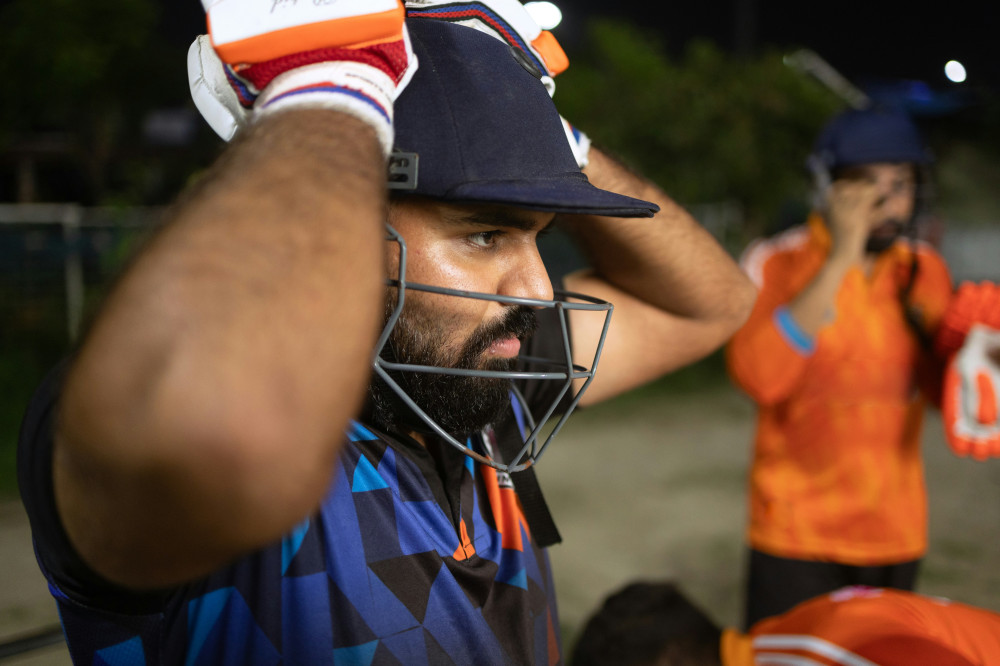
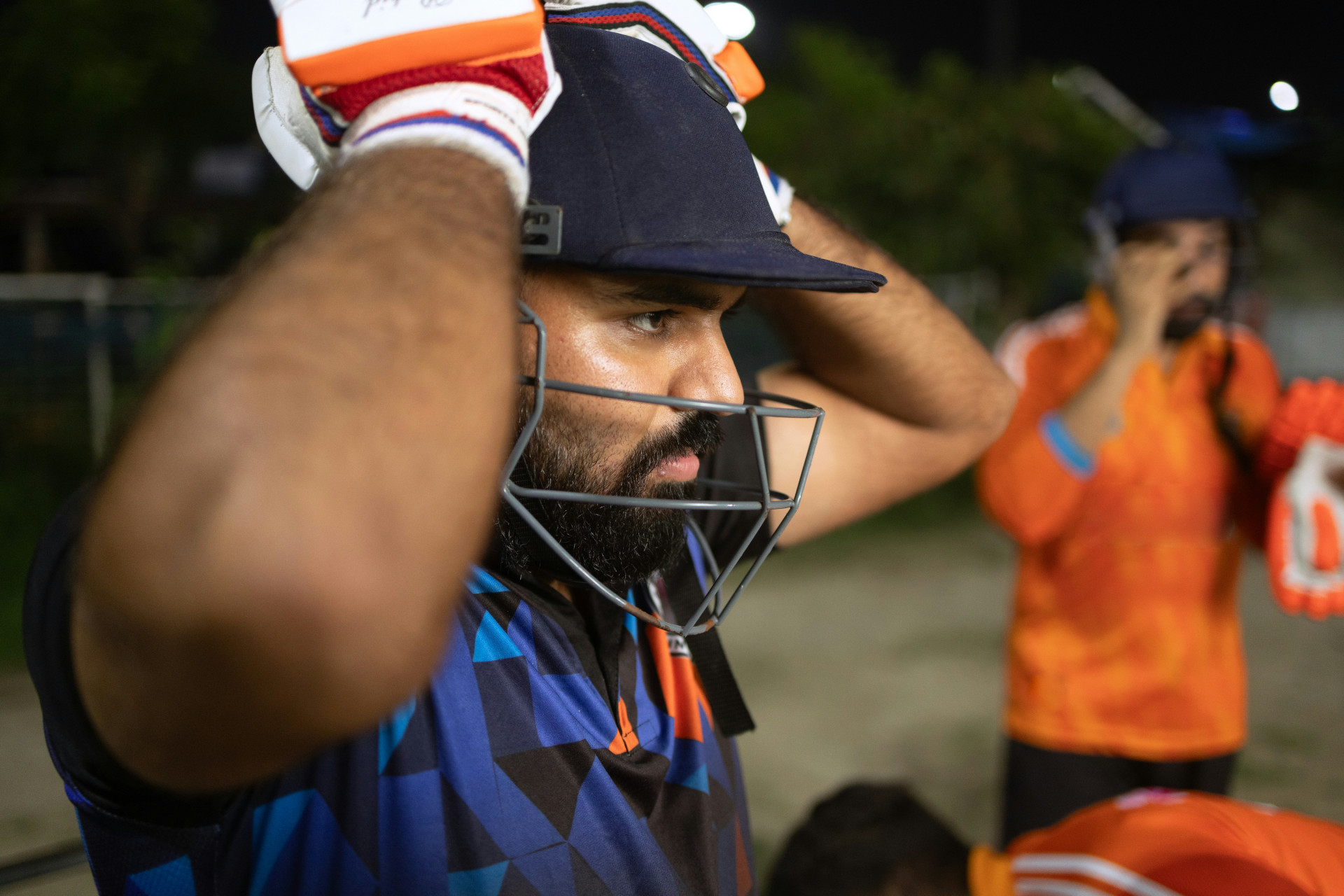
Cricket has long been a sport of tradition, patience, and strategy – but in the digital age, it has also become a playground for humour, memes, and online fan culture. As cricket betting grows in popularity across the world, including among Irish fans who follow international tournaments, the way people talk about and engage with the game is changing. Memes, jokes, and viral moments now influence not only how fans experience cricket, but also how they think about betting trends.
From the stands to the screen
Once, cricket fandom was centred around stadiums, pubs, and local clubs. Today, much of that energy has moved online. Platforms like X (formerly Twitter), Instagram, and Reddit have become virtual stands where fans share everything from witty takes on umpire decisions to playful jabs at rival teams.
Memes have become a universal language for cricket fans. When a bowler delivers a disastrous over or a batsman pulls off an impossible shot, the internet reacts within minutes. These quick, humorous responses create a sense of shared experience – a digital camaraderie that connects fans from Dublin to Delhi. And in the process, they subtly shape how people talk about players, teams, and even betting odds.
Humour as a pressure valve
Cricket can be an emotional rollercoaster. Whether it’s the tension of an Ashes Test or the drama of an IPL final, fans invest deeply in every ball. Humour acts as a release valve for that intensity. Making fun of one’s own team after a collapse or teasing a rival side after a narrow win helps keep the atmosphere light and inclusive.
In betting communities, this humour plays an even more important role. When a last-minute wicket ruins a promising bet, many fans turn to memes rather than frustration. A self-deprecating joke about “the curse of the accumulator” can turn disappointment into shared laughter. It’s a reminder that betting, like sport itself, is as much about the experience as the outcome.
When memes move the market
While memes are meant for entertainment, they can also influence perception – and perception matters in betting. A viral clip of a player’s blunder might lead fans to underestimate him, while a meme celebrating a “heroic” batsman can inflate expectations. These narratives, though humorous, can subtly affect how people place their bets.
Bookmakers and analysts are increasingly aware of this. Social media sentiment is now part of the broader picture they monitor. A surge in online chatter about a particular player or team can signal shifts in public confidence – not because memes change the facts, but because they change how fans interpret them.
A creative fan culture
Cricket fans are known for their passion, but also for their creativity. Across the world, supporters remix match highlights, create parody videos, and share inside jokes that only true fans understand. This participatory culture makes cricket more accessible: you don’t need to be a stats expert to join the conversation – just a sense of humour and good timing.
For younger Irish fans discovering cricket through global tournaments or social media, this blend of sport and digital culture is part of the appeal. They follow not only the matches but also the memes that emerge from them, turning cricket into a living, global conversation.
A new era for sports betting
Cricket betting has traditionally been driven by data, form, and analysis. But in today’s connected world, online sentiment and fan humour are becoming part of the mix. Memes and jokes don’t replace statistics, but they influence the emotional context in which fans make decisions. Betting is no longer a solitary act – it’s a social experience, shaped by laughter, banter, and shared reactions.
Læs også:



When laughter becomes part of the game
Humour and memes have made cricket betting more human. They remind us that sport is not just about numbers or outcomes, but about emotion, community, and the joy of shared experience – even when things don’t go our way. In an age dominated by algorithms and analytics, it might just be laughter that keeps the spirit of the game alive.
Læs også: